Miami's intense tropical humidity (>80% RH) and air conditioning condensation turn hidden leaks into dangerous fungal colonies within 24 to 48 hours. Our IICRC S520 certified mold specialists set up critical negative air containment, capture airborne spores with true HEPA scrubbers, and safely eradicate mold at its root with hospital-grade EPA botanical biocides.
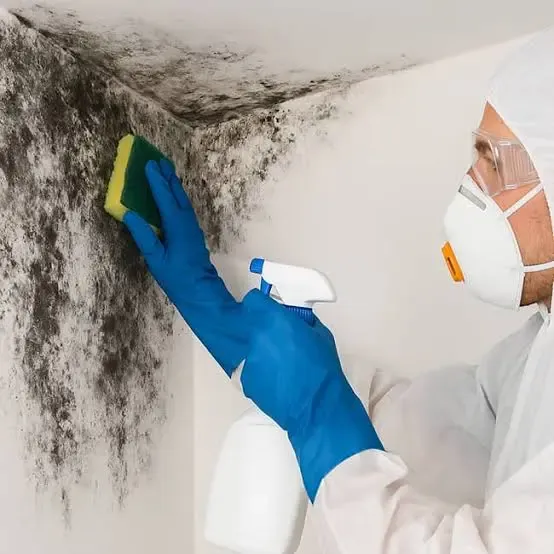
South Florida's coastal humidity creates an ideal breeding ground for aggressive fungal species that threaten respiratory health and degrade building materials:
Dark gelatinous mold feeding on cellulose drywall paper and subfloors, producing neurotoxic trichothecene mycotoxins that cause chronic fatigue and respiratory distress.
Fast-growing mold colonizing Miami AC coils, insulation, and supply registers; produces aflatoxins triggering severe Allergic Bronchopulmonary Aspergillosis (ABPA).
Blue-green velvet mold spreading rapidly across wallpaper, fiberglass duct lining, carpets, and wood studs in rooms with sustained humidity above 60% RH.
Olive-green to charcoal mold thriving on air conditioning ceiling grilles, bathroom grout, and window sills, aerosolizing easily to cause itchy eyes and throat irritation.
Infests water-damaged drywall cavities and wooden studs following hidden plumbing leaks, breaking down wood fibers and emitting pungent, earthy sulfur odors.
Thrives in damp coastal environments like Miami Beach and Key Biscayne under sink vanities and showers, serving as a primary allergen triggering asthma flare-ups.
Eliminating microscopic fungal spores and neutralizing volatile organic compounds requires medical-grade negative air containment and EPA-registered sporicides:
Multi-stage air filtration units establishing negative pressure zones to capture 99.97% of airborne mold spores down to 0.3 microns during remediation.
Non-destructive thermal imaging mapping cold temperature differentials to pinpoint hidden moisture pockets inside drywall, ceiling voids, and subfloors.
Low-grain refrigerant dehumidifiers extracting up to 250 pints of moisture daily to force ambient relative humidity below 45%, halting all mold reproduction.
Ultra-low volume atomized misting with plant-derived thyme sporicides that destroy fungal cell walls on structural timber without toxic synthetic chemical residues.
South Florida's environment combines heat, tropical humidity, and continuous AC operation, creating aggressive mold colonization conditions:
Mold spores break dormancy at just 55%–60% RH. Miami's outdoor air routinely exceeds 80% RH, allowing hyphae to spread rapidly through porous drywall, ceiling tiles, and carpet padding.
Heavy air conditioning cools interior walls. When warm humid outside air contacts chilled drywall, hidden condensation pools develop behind baseboards and paint films.
Wind-driven rain forces moisture into exterior stucco hairline cracks. Once trapped inside structural wall framing, moisture cannot escape, creating toxic colonies within 48 hours.
Every mold remediation project strictly adheres to IICRC S520 protocols and Florida DBPR Chapter 468 licensing standards for certified containment and safe eradication:
Deploy thermal cameras to map wet zones. Erect 6-mil poly negative pressure barriers with zipper portals and HEPA scrubbers to isolate the work zone completely.
Run commercial HEPA scrubbers continuously to capture airborne spores. Perform intensive HEPA vacuuming across all affected structural surfaces to extract hyphae.
Carefully cut and double-bag non-salvageable porous items (infested drywall, baseboards, insulation) within containment to prevent cross-contamination during transit.
Apply EPA-registered botanical biocides to framing studs and concrete subfloors. Seal framing lumber with fungal-resistant elastomeric encapsulant coating.
Deploy LGR dehumidifiers until moisture drops below 12% WME. Assist with third-party Post-Remediation Verification (PRV) air testing for full clearance certification.
Untreated mold degrades structural timber, rots drywall cores, and contaminates central HVAC systems. Delaying remediation increases repair costs exponentially and exposes occupants to toxic mycotoxins.
Microscopic spores absorb moisture and germinate. Fungal hyphae penetrate drywall paper backing and wooden framing studs.
Visible colonies erupt on surfaces. Airborne spore counts spike 1,000x above outdoor baselines, spreading through HVAC vents.
Mycotoxins and MVOC gas saturate upholstery and carpeting. Structural wood rot begins, requiring extensive drywall replacement.
As full-service Miami water damage restoration company, Miami Rapid Restoration ensures your property is fully protected against lingering moisture. Mold remediation is only permanent when the underlying structural moisture source is completely eliminated.
Concerned about toxic black mold, property damage, or health risks in your Miami home or condominium? Here are direct, plain-English answers to critical mold remediation questions:
(786) 919-0847 →Looking for certified local mold removal or toxic black mold remediation in Miami? We provide 24/7 rapid response throughout Miami-Dade County. Check our primary service areas below for fast 30-minute on-site arrival:
Don't let microscopic mold spores compromise your family's health or damage your property's value. Our certified IICRC S520 remediation crews are on standby for 30-45 minute response.